
A water line is a pipeline, but the word "pipeline" alone leaves out useful details. A municipal water main, a hospital water line, and a school water system each serve a different setting. The first project conversation needs to identify the water service and the work required.
Start with the problem: a new connection, a section that needs repair, or a missing point of control. That information helps Koppl review the service options without making the owner choose a method first.
Name the water service, then the work
"We need pipeline work" gives a contractor very little to review. "We need a new connection on an active water main" describes the purpose more clearly. Include the line's actual contents, pipe material, size, operating conditions, and location.
Describe the service that must remain available and the work window. Do not assume a published service description confirms the method for your site. Koppl reviews the line and its condition before selecting equipment and field controls.
Three services, three different goals
A new connection: hot tapping
Hot tapping creates a connection on an operating, pressurized line. A water-main project can use that connection for a new branch or other approved work. The pipe, connection requirements, access, and operating conditions determine whether the method fits the application.
Temporary isolation: line stopping
Line stopping isolates a selected section for repair or modification. Continuity elsewhere in the system is a separate planning question. A bypass can form part of the plan, subject to the site's configuration and technical review. The service name alone does not promise uninterrupted supply.
Read about Koppl line stopping
A lasting control point: valve insertion
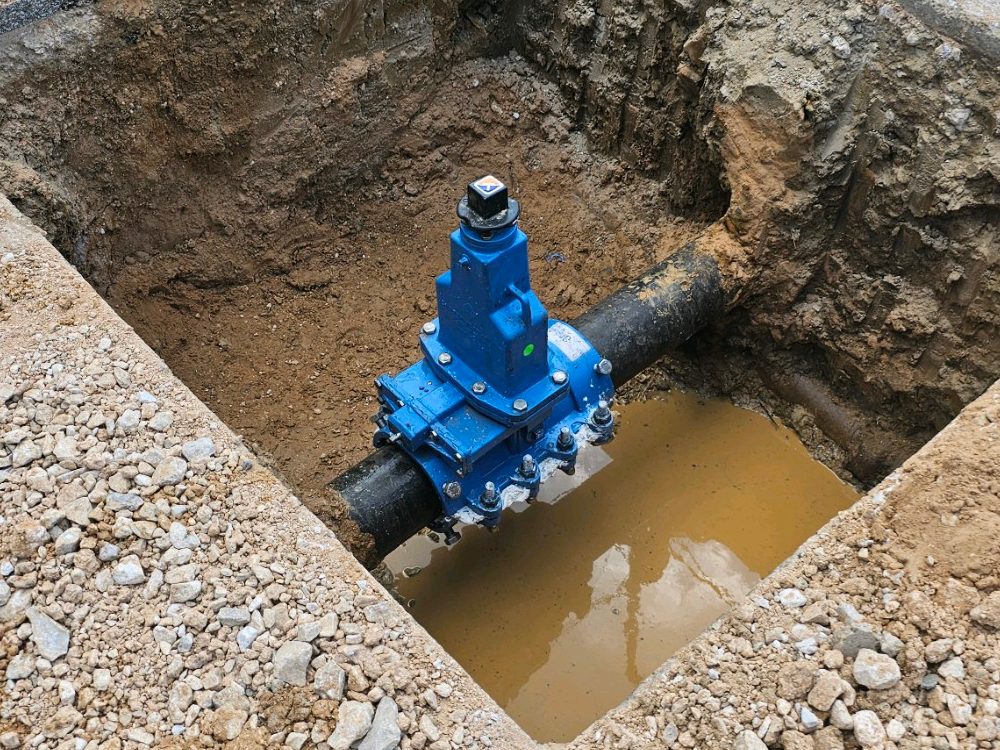
Valve insertion adds a permanent valve to a water main. That valve provides a control point for future operation and maintenance. Qualified systems allow installation on an active line. The application still needs a review of the pipe and operating conditions.
The right request describes the outcome
You do not need to choose fittings or specify a bypass design to start the conversation. Describe the outcome in plain language. Examples include adding a connection, repairing an isolated section, or adding a valve for future control.
Share the information you have:
- Pipe size, material, and known condition.
- Contents, operating pressure, and temperature.
- Site location, access, and available drawings or photographs.
- The work required, timing, and service continuity needs.
Missing details belong in the technical review. A service overview is not a field procedure or approval to begin work.
For a broader intake guide, read what to share before a pipeline project.
Put the water project in front of Koppl
Koppl Pipeline Services provides live-line connections, isolation, and water-main control services. Start a project conversation or call (323) 888-2211. Explain the water system and the work you need, and the crew can identify the next review step.