Validate the application
Review the pipe, liquid, geometry, system arrangement, dead ends, pressure, temperature, and the intended downstream work.
Part of the ISS family of companiesSafe. Smart. Reliable.



Isolate without draining
Create a monitored ice plug for targeted work where draining or a broader shutdown is impractical.
Method in context
Pipe freezing uses controlled liquid-nitrogen cooling to form an ice plug inside liquid-filled pipe. Koppl monitors temperature, frost lines, bleed-off points, and the downstream condition throughout the isolation.
Published sizes, pressures, temperatures, and equipment capabilities describe potential operating ranges, not automatic approval for a specific project. Final feasibility depends on verified line data, field condition, system configuration, media, procedures, and the selected equipment.
Typical project sequence
The exact method changes by application. These four stages show the decision structure that keeps engineering, equipment, field work, and completion connected.
Review the pipe, liquid, geometry, system arrangement, dead ends, pressure, temperature, and the intended downstream work.
Fit and seal the engineered freezing chamber and place temperature sensors and monitoring points.
Introduce liquid nitrogen under control and monitor temperatures, frost lines, and system response until isolation is verified.
Perform the downstream scope, remove the chamber and monitoring equipment, and allow the line to return to normal condition.
Safety + validation
A usable plan connects the actual line data to equipment selection, fitting design, access, testing, operating limits, PPE, work-zone controls, and the final return-to-service sequence.
Start technical review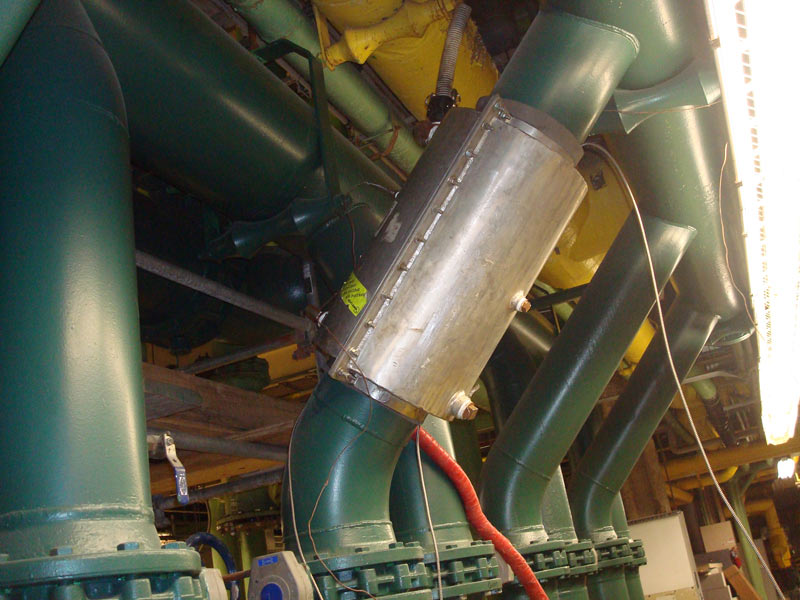
Service questions
These answers frame the method. A project-specific answer starts with the actual line and site conditions.
Browse all FAQsA safe application depends on correct system review and controls. Koppl uses temperature sensors, bleed-off points, and continuous frost-line monitoring to manage the pressure condition associated with plug formation.
No. The method requires liquid in the pipe so a controlled ice plug can form, which is why it can avoid draining a larger system.
The freezing equipment is removed and the plug is allowed to thaw, returning the line to its original physical configuration.
Related capabilities
Live-line projects often connect tapping, temporary isolation, permanent control, fabrication, or repair into one coordinated sequence.
Add a branch connection to an operating pipeline and maintain service across the wider system.
Explore capabilityTemporarily isolate a section of active pipe so modifications or repairs can move forward with less system-wide disruption.
Explore capabilityInstall a permanent valve on an active water main with minimal service interruption and a focused excavation footprint.
Explore capabilityStart with what you know
Share the line data, location, schedule, and desired outcome. Koppl will route the application for technical review.
Active emergency? Call (323) 888-2211